























A Complete Guide to Beach House Style
You don’t need an ocean view to live like you have one. Coastal interior design has spent the last decade evolving from a literal beach-house look into one of the most versatile styles in home decor, as much at home in a Denver bungalow as a house on Nantucket. But the style gets diluted a lot in translation, usually into something closer to a theme park gift shop than a real design language. This guide breaks down what coastal interior design actually is, the principles that hold it together, and how to bring it into your own home without reading it as a costume.

What Is Coastal Interior Design?
Coastal interior design is a style built around the light, materials, and unhurried rhythm of a life near water. While a "nautical" room reaches for anchors, rope, and navy-and-white stripes, true coastal design works more quietly: bleached and weathered wood tones, a palette pulled from sky and sea, linen and woven textures that soften with age, and a floor plan that stays open and breathable. Think of it as the feeling of walking barefoot through a beach house at golden hour, rather than a room dressed up like a ship's cabin.
The style has roots in several distinct regional traditions such as the whitewashed simplicity of New England beach cottages, the sun-bleached elegance of the Mediterranean and French Riviera, and the breezy, plantation-shutter look common to the Gulf Coast and Florida. Most coastal homes today borrow a little from each, which is part of why the look is so adaptable.
The Core Elements of Coastal Home Design
Whether you're renovating a beach house or bringing the feeling to a home nowhere near the water, coastal home design tends to share five consistent elements:
-
A restrained, nature-drawn palette. Coastal color schemes stay close to what you'd actually see outside: soft blues from pale aqua to deep navy, chalky whites, sandy neutrals, and driftwood grays, with the occasional warm accent in coral, sage, or muted gold. The palette should feel edited, not saturated. Coastal design uses color like light uses water, in reflections and washes rather than blocks.
-
Natural materials and honest texture. Rattan, cane, jute, linen, whitewashed wood, and woven rope all read as coastal because they show the way sun-worn materials actually age. Avoid high-gloss finishes and heavily lacquered surfaces; coastal design prefers materials that look like they've had a life outdoors.
-
Light, airy layouts. Coastal homes lean into openness: light window treatments (or none at all), furniture pulled slightly away from walls to keep sightlines clear, and a general resistance to visual clutter. If a room feels like it's holding its breath, it's not coastal yet.
-
Relaxed, low-slung furniture silhouettes. Slipcovered sofas, rounded edges, woven dining chairs, and furniture that looks comfortable to sit on with wet hair and sandy feet all belong here. Coastal furniture rarely reads as precious.
-
Textiles that do the quiet work. This is where most of the character in a coastal room actually lives — pillows, throws, rugs, and drapery carry the palette and pattern so the architecture and larger furniture pieces can stay simple. A single well-chosen striped or woven throw pillow can carry more of a room's coastal identity than an entire wall of paint.

Coastal Decorating Ideas, Room by Room
Living Room. Start with a slipcovered sofa in white, ivory, or a pale blue-gray, then layer in texture through a jute or seagrass rug, a woven coffee table, and textiles in graduating sizes across the seating. This is the room where coastal decorating ideas tend to read most clearly, since it's usually the largest canvas in the house.
Bedroom. Coastal bedrooms benefit from restraint more than any other room: a whitewashed or rattan headboard, linen bedding in soft neutrals, and one or two considered textile moments — a woven bench at the foot of the bed, a bolster pillow, simple linen drapery that moves with the air rather than blocking it.
Dining Room. Woven or rattan dining chairs paired with a simple wood table do most of the work here. Keep the table styling light: a single runner in natural linen, a low arrangement of dried grasses or driftwood, and avoid anything that competes with natural light from the windows.
Sunroom or Outdoor-Adjacent Spaces. This is where coastal design gets to be a little more literal, since these rooms are built to blur the line between indoors and out. Durable woven furniture, weather-resistant textiles in the same coastal palette as the rest of the house, and unobstructed sightlines to the yard or view keep the room feeling like an extension of the outdoors.
Beach House Design Ideas That Aren't Actually About the Beach
The best beach house design ideas borrow the feeling of a coastal home without requiring an actual coastline. A few ways to translate the look inland:
-
Paint trim and millwork in a soft, chalky white rather than bright white, which reads warmer and more weathered.
-
Swap heavy drapery for simple linen panels that let light move through the room.
-
Introduce texture through natural fiber rugs and woven furniture rather than pattern-heavy upholstery.
-
Let textiles carry your color story. A neutral room with the right coastal-toned pillows and throws can transform in an afternoon, with none of the cost or disruption of a renovation.
Common Mistakes in Coastal Decorating
The most common misstep in coastal decorating is confusing "coastal" with "nautical." Anchors, ropes, and navy-and-white stripes in isolation read as a theme rather than a design language — fine in small doses, but overwhelming as the organizing idea for a whole room. A second common mistake is over-saturating the blue. Coastal rooms work best when blue is one note among several neutrals, not the dominant color covering every surface. Finally, many coastal spaces end up feeling stiff rather than relaxed, because the furniture and styling are too formal for a look that's supposed to feel unhurried and lived-in.
How to Start Bringing Coastal Home Decor Into Your Space
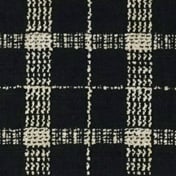
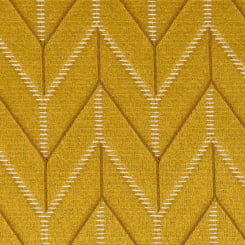
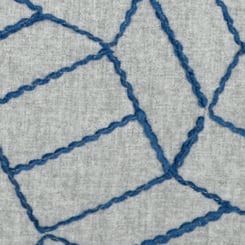
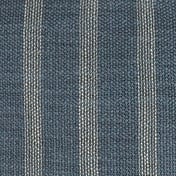
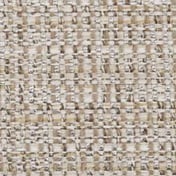
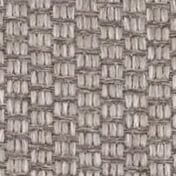
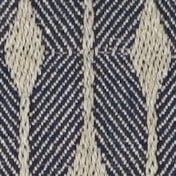
You don't need to renovate to start. The fastest, lowest-risk way to test coastal home decor in a room is through textiles: a new rug in a natural fiber, linen drapery, and a curated mix of throw pillows in your chosen coastal palette can transform a room in an afternoon. From there, layer in furniture and larger pieces as budget and time allow. If you want a ready-made starting point for the textile layer, our Beach Club pillow collection was designed around exactly this palette — coastal blues, sun-bleached ivories, and sandy neutrals in woven, linen, and jacquard textures.

Frequently Asked Questions About Coastal Interior Design
What is coastal interior design?
Coastal interior design is a style built around the light, natural materials, and relaxed rhythm of homes near water — using a soft, nature-drawn color palette, natural textures like linen and rattan, and open, breathable layouts, rather than literal beach or nautical imagery.
What's the difference between coastal and nautical design?
Nautical design uses literal maritime imagery — anchors, rope, navy-and-white stripes, signal flags. Coastal design draws instead from the feeling of the coast: its light, its palette, and its unhurried pace, without leaning on maritime motifs.
How do I start decorating my home in a coastal style?
Start with textiles, since they're the fastest and least expensive way to test the look: a natural fiber rug, linen drapery, and a mix of coastal-toned throw pillows can transform a room quickly. From there, add furniture with relaxed, low-slung silhouettes and natural materials like rattan and whitewashed wood.
Can I create a coastal home design if I don't live near the water?
Yes. Coastal home design is about a feeling and a palette, not a location. Soft blues, sandy neutrals, natural textures, and airy layouts translate to any home, regardless of where it's located.
What colors work best for coastal home decor?
Coastal home decor palettes draw from nature: ocean blues from pale aqua to deep navy, chalky whites, sandy tans, and driftwood grays, with occasional accents of coral, sage, or muted gold. The palette should feel edited rather than saturated.
What furniture styles fit a coastal home design?
Coastal home design favors relaxed, low-slung furniture: slipcovered sofas, rounded edges, and woven or rattan chairs. Furniture should feel comfortable and lived-in rather than precious or formal.


