









The Complete Guide to Throw Pillow Fabrics: How to Choose the Best Material for Your Pillows
Pick up two pillows in the exact same color and you’ll notice it immediately: one feels considered, the other feels incidental. The difference almost never comes down to the shade. It comes down to the fabric. Texture is what tells a room someone actually thought about it, and it’s the single most underrated decision in decorating with pillows.
This is the guide we wish existed when we started building Floof: a straightforward look at the fabric for throw pillows that actually matters, what each material does in a room, and how to use them together instead of picking one and hoping.

What Fabric Actually Determines in a Pillow
Color gets chosen first and talked about most, but fabric is doing the real work. The best material for pillows in your space depends on three things: how it catches light (matte fabrics absorbs light, while sheens like satin and velvet reflect it), how it drapes (structured wovens hold their shape, softer knits and velvets slouch), and how it wears over time against daily use, pets, and sunlight. Get those three right for your room, and the color choice becomes the easy part.
A Fabric-by-Fabric Guide to Throw Pillow Materials
Velvet
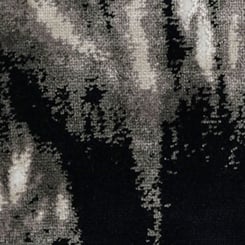
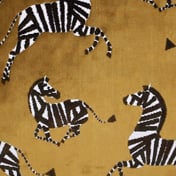
The most reliable way to add depth to a room without adding patterns. Velvet catches light differently depending on the angle you’re looking from, which is what gives a velvet pillow its sense of richness even in a single solid color. It pairs beautifully with brighter, more graphic pillows as a grounding element, the exact logic behind Serene Luxe, our velvet and silk collection built to add material depth to bolder rooms. Browse our full velvet pillow collection to see the range.
Linen
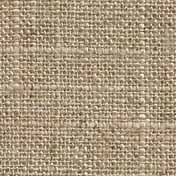
If velvet is deep, linen is easy. It has a natural, slightly nubby texture that softens beautifully with wear, which is exactly why it’s the backbone of a room that’s meant to feel lived-in rather than staged. Linen is a natural fit for coastal and warm-weather spaces as the foundation of our Beach Club collection, but it works just as well as a neutral base in almost any room. Shop our linen pillow collection to see how far a good linen pillow goes.
Satin
The fabric for throwing pillows people underestimate. Satin has a smooth, subtle sheen that reads as polished rather than flashy, especially in bedrooms, where its cool, soft hand feels genuinely different from anything else on the bed. It’s also one of the most forgiving fabrics for hiding wrinkles, showing them far less than a matte weave would. Explore our satin pillow collection for a fabric that photographs as beautifully as it feels.
Jacquard
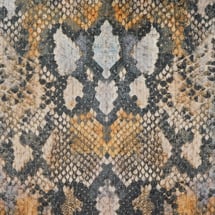
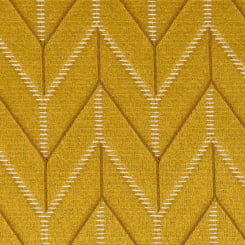
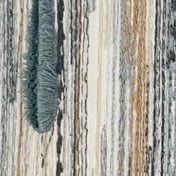
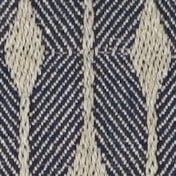
This is where pattern and fabric stop being two separate decisions. In a jacquard pillow, the pattern is woven directly into the structure of the cloth itself, not printed on top of it, so the design has real dimension and durability built in. It’s a favorite for rooms that want graphic interest without a printed, flat look. Browse our jacquard pillow collection to see the difference a woven pattern makes.
Woven Textures
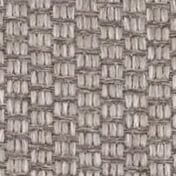
A catch-all for fabrics where the construction itself, not a printed pattern, is the visual interest: subtle stripes, textural weaves, and structured basketweave-style cloths. Woven pillows are workhorses for layering, since their texture reads clearly even next to a solid or a pattern. See our woven pillow collection for the full range.
Chenille
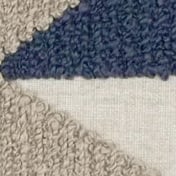
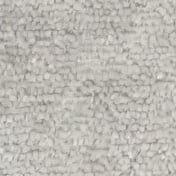
Soft, plush, and forgiving in a completely different way than velvet, chenille has a slightly fuzzy, tactile surface that invites touch rather than just catching the eye. It’s an easy way to add coziness to a room without tipping into a heavier, more formal texture like velvet. Shop our chenille pillow collection for that specific kind of softness.
Faux Fur
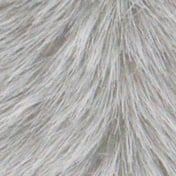
The most literal texture on this list, and the one that does the most work in the smallest dose. A single faux fur pillow on an otherwise clean-lined sofa or bed reads as an intentional accent, not a theme. Browse our faux fur pillow collection if you want texture that’s felt from across the room.
Tweed
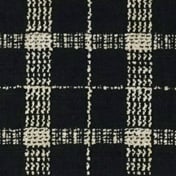
Structured, slightly nubby, and quietly sophisticated, tweed brings in texture with a more tailored, buttoned-up feel than linen or chenille. It’s an excellent choice for rooms leaning traditional or transitional, where you want texture without informality. Shop our tweed pillow collection for the in-between texture.
Embroidered and Crewel
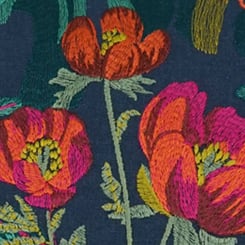
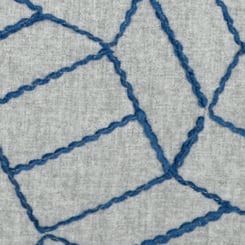
Both add pattern through stitched texture rather than print or weave, giving the design a raised, dimensional quality you can actually feel with your hand. Crewel work in particular carries a heritage, hand-crafted quality that reads as more collected than a printed floral ever could. Explore our embroidered pillow collection and crewel pillow collection to compare the two.
Leather
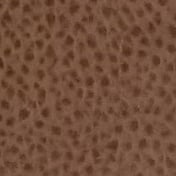
The outlier on this list, and the one that adds the most visual weight for the least surface area. A single leather lumbar or ball pillow can anchor an arrangement of softer textures the way a single piece of furniture anchors a room. Browse our leather pillow collection for a material that only gets better with age.

Pillow Texture: Why Mixing Matters More Than Matching
The single biggest upgrade you can make to a pillow arrangement costs nothing extra: stop matching fabrics and start mixing them. A sofa styled entirely in one texture, even a beautiful one, tends to read as flat, no matter how good the color story is. Pillow texture is what gives an arrangement depth: a smooth satin next to a nubby linen, a plush chenille anchored by a structured jacquard. The contrast is what makes each individual fabric read more clearly, the same principle a good outfit uses when it pairs a soft knit with a structured jacket.
A simple rule of thumb: pick one dominant texture for your largest pillows, then use a second, contrasting texture for your smaller or accent pieces. Two to three textures in a single arrangement is usually the sweet spot; beyond that, the eye stops finding a story and starts finding noise.

How to Choose the Best Pillow Material for Your Room
Living rooms and sofas can handle the most texture mixing, since there's usually more surface area and more pillows in play. Lean on velvet or chenille as your base, with a woven, jacquard, or satin piece for contrast.
Bedrooms benefit from softer, closer-to-skin fabrics: satin, linen, and chenille all read as more inviting on a bed than a stiffer weave or leather.
High-traffic or pet-friendly spaces do best with more forgiving materials like woven textures and tweed, which tend to show less visible wear than smoother fabrics like satin or leather.
Statement pieces, whether that's a single faux fur, leather, or metallic pillow, work best in small doses against an otherwise calmer, more neutral fabric palette.
If you're not sure where to start, our full pillow collection lets you filter by material directly, or you can talk to one of our designers for a combination built around your specific room.

Frequently Asked Questions About Throw Pillow Fabric
What is the best fabric for a throw pillow?
There isn't a single best fabric for every room, since the right choice depends on the look and feel you want. Velvet and chenille add richness and softness, linen and woven textures bring an easy, lived-in feel, satin adds a subtle sheen, and jacquard delivers pattern with built-in texture. Most well-styled rooms mix two or three of these rather than relying on just one.
What's the best material for pillows in high-traffic homes?
Woven textures and tweed tend to hold up best in busy households, since their texture helps disguise everyday wear better than smoother fabrics like satin.
Is velvet or linen better for a throw pillow?
Neither is objectively better; they serve different purposes. Velvet adds depth, richness, and a subtle sheen, making it a strong grounding piece in a room with brighter patterns. Linen brings an easy, relaxed texture that works as a neutral base almost anywhere. Many rooms benefit from having both.
How do I mix pillow textures without it looking chaotic?
Pick one dominant fabric for your largest pillows, then add one or two contrasting textures in smaller pieces. Two to three total textures in a single arrangement is the general sweet spot; beyond that, the mix starts to compete with itself instead of adding depth.
What fabric for decorative pillows is easiest to care for?
This varies by specific fabric and construction, so it's worth checking the care instructions for each individual piece. As a general pattern, tightly woven fabrics and jacquards tend to be more forgiving of daily handling than deep-pile textures like faux fur.
Does pillow texture matter as much as color?
In a well-styled room, arguably more. Color gets noticed first, but texture is what makes an arrangement feel intentional rather than assembled. A monochromatic room with varied pillow texture often reads as more sophisticated than a colorful room with only one fabric type throughout.


